

Revolutionizing Golf Course Maintenance with Robotic Mowers
Key Takeaways
- Robotic mowers are revolutionizing turf management for golf courses by providing efficient, precise, and autonomous mowing solutions.
- Deploying robotic mowers reduces labor costs and operational expenses while improving turf health and consistency.
- Case studies like Hirsala Golf demonstrate the successful implementation and benefits of robotic mowers on a large scale.
- Advanced technologies in robotic mowers include GPS navigation, smart sensors, and potential integration with other maintenance tasks.
- The future of robotic mowers involves further technological advancements and wider adoption in sports facilities for improved sustainability.
Introduction to Robotic Mowers for Golf Courses
Robotic mowers are sophisticated autonomous machines designed to maintain golf course turf without constant human oversight. These innovative devices leverage cutting-edge technology including:
- Advanced GPS navigation systems
- Smart sensors for obstacle detection
- Programmable cutting patterns
- Terrain adaptation capabilities
What makes these machines particularly valuable is their ability to revolutionize modern turf management through:
- Precision cutting
- Reliable performance
- Minimal disruption to golfers
- Continuous operation capability
The impact of these machines is already evident in real-world applications. For instance, Hirsala Golf in Finland has successfully deployed 36 robotic units, achieving 100% coverage of fairways and 75% coverage of rough areas.
Understanding Large-Scale Mowing Challenges

Traditional golf course mowing presents several significant challenges:
- Requirements for heavy machinery
- High labor costs
- Extensive time commitments
- Complex maintenance schedules
- Significant fuel consumption
These challenges are particularly acute for commercial properties like golf courses, where maintaining pristine conditions is crucial for business success. Traditional methods often struggle with:
- Consistent cutting height maintenance
- Weather-dependent operations
- Staff scheduling complexities
- High operational costs
Benefits of Robotic Mowers in Turf Management

Precision and Consistency
Robotic mowers excel in delivering precise, consistent results:
- Maintain uniform cutting heights
- Ensure consistent daily maintenance
- Create optimal playing conditions
- Enhance course aesthetics
Turf Health Improvements
The design and operation of robotic mowers significantly benefit turf health:
- Lightweight construction minimizes soil compaction
- Even distribution of mowing patterns prevents wear
- Fine clippings act as natural fertilizer
- Frequent cutting promotes healthy growth
Operational Efficiency
The automation capabilities deliver substantial operational benefits:
- 24/7 operation potential
- Reduced labor requirements
- Up to 50% cost savings compared to traditional methods
- Decreased fuel consumption
- Lower maintenance needs
Sports Field Maintenance Applications

The benefits of robotic mowers extend beyond golf courses to other sports facilities:
- Football fields
- Soccer pitches
- Baseball fields
- Cricket grounds
These applications share common advantages:
- Reduced field compaction
- More frequent mowing possibilities
- Minimal disruption to field use
- Consistent playing surface maintenance
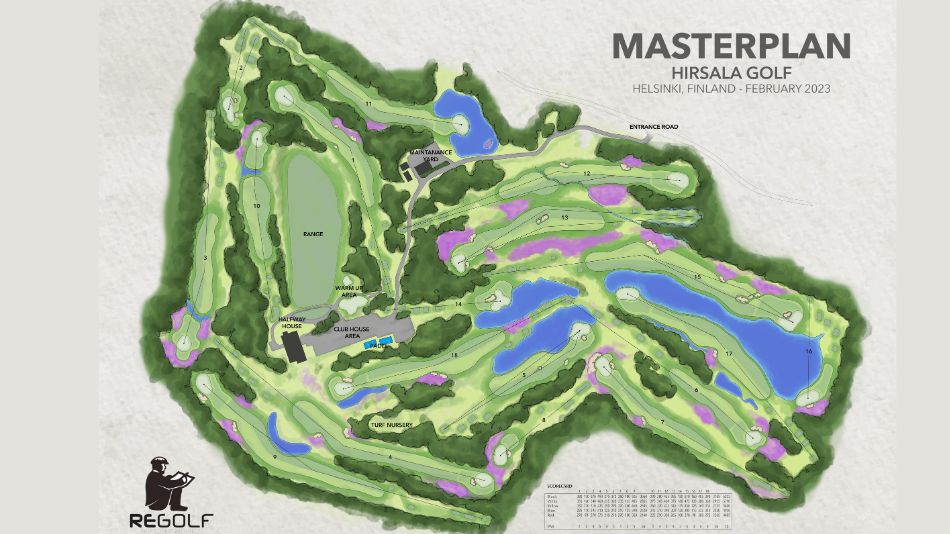
Case Study: Hirsala Golf, Finland

Implementation Success
Hirsala Golf’s adoption of robotic mowers provides valuable insights into large-scale implementation:
- Started in 2019
- Expanded to 36 units
- Complete coverage of fairways
- 75% coverage of rough areas
Measured Improvements
The results have been impressive:
- Enhanced turf quality
- Improved playing conditions
- Greater operational flexibility
- Extended playing season
- Reduced maintenance costs
- Lower environmental impact
Future of Robotic Mowers in Turf Management
Emerging Technologies
The future of robotic mowing technology includes:
- Advanced sensor systems for:
- Plant health monitoring
- Soil condition assessment
- Moisture level tracking
- Nutrient content analysis
- Integration capabilities with:
- Smart irrigation systems
- Weather monitoring stations
- Course management software
Future Developments
Expected advancements include:
- Enhanced GPS precision
- Artificial intelligence improvements
- Expanded autonomous capabilities
- Integration with other maintenance tasks:
- Aeration
- Fertilization
- Pest control
Industry Impact
The growing sophistication of robotic mowers will likely lead to:
- Wider adoption across sports facilities
- Improved resource efficiency
- Enhanced sustainability practices
- Better data-driven decision making
- Reduced environmental impact
Robot Mowers Are Revolutionizing Golf Courses For The Future
Robotic mowers for golf courses represent a significant leap forward in turf management technology. Their ability to deliver consistent, high-quality results while reducing operational costs makes them an attractive solution for modern golf course maintenance.
The success stories, like Hirsala Golf, demonstrate the practical benefits of implementing robotic mowing systems:
- Improved turf quality
- Reduced operational costs
- Enhanced sustainability
- Better resource management
- Increased operational efficiency
As technology continues to advance, the role of robotic mowers in large-scale turf management will likely expand, offering even greater benefits for golf courses and other sports facilities. Golf course managers and sports facility operators should seriously consider incorporating these innovative solutions into their maintenance strategies to stay competitive and efficient in modern turf management.
Frequently Asked Questions
Q1: How do robotic mowers handle different terrains on a golf course?
Robotic mowers are equipped with terrain adaptation capabilities that allow them to adjust to various slopes and uneven surfaces, ensuring consistent mowing across the golf course.
Q2: Can robotic mowers operate in all weather conditions?
While many robotic mowers can operate in light rain, extreme weather conditions like heavy rain or storms may require the mowers to dock until conditions improve to ensure safety and optimal performance.
Q3: What is the cost benefit of switching to robotic mowers?
Switching to robotic mowers can lead to up to 50% cost savings compared to traditional mowing methods through reduced labor, fuel consumption, and maintenance costs.
Q4: How do robotic mowers contribute to environmental sustainability?
Robotic mowers are electric and produce lower emissions than fuel-powered equipment. They also promote healthier turf, which can reduce the need for chemical treatments.


