


Robotic Mowers in Rain: A Complete Guide to Weather Challenges and Solutions
Key Takeaways
- Robotic mowers offer hands-free lawn maintenance but face challenges in wet weather.
- Rain sensors help protect the mower and lawn during wet conditions by pausing operation.
- Weatherproof features and proper maintenance enhance mower performance in rainy weather.
- Cutting wet grass can lead to uneven cuts, disease risk, and reduced mulching effectiveness.
- Implementing best practices and choosing the right mower features ensures optimal lawn care regardless of weather.
Introduction
Robotic lawn mowers are autonomous devices that keep lawns consistently trimmed with minimal human intervention. These smart machines use advanced technology, including sensors and navigation systems, to efficiently maintain your lawn. With the global robotic lawn mower market projected to reach $704.5 million by 2027, it’s clear that these weatherproof mowers are becoming increasingly popular among homeowners.
However, while these devices offer incredible convenience, weather conditions – particularly rain – can present significant challenges. Both the mower’s performance and your lawn’s health can be affected by wet conditions, making it crucial to understand how to manage these situations effectively.
Understanding Robotic Mowers
How They Work
Robotic mowers operate using a sophisticated combination of:
- Sensors
- GPS systems
- Advanced battery technology
- Boundary wire navigation
These technologies work together to ensure complete lawn coverage and efficient operation. Many models feature a unique “spiral cut” pattern that detects and adjusts to areas with thicker or overgrown grass.
Key Features
Modern robotic mowers come equipped with several essential features:
- Adaptive cutting heights for different grass conditions
- Weatherproof designs to withstand various conditions
- Advanced navigation technology for obstacle avoidance
- Continuous operation capabilities for consistent lawn maintenance
Weather Limitations for Robotic Mowers
Challenges of Wet Weather
Rainy conditions can significantly impact mowing performance in several ways:
- Uneven Cutting: Wet grass tends to bend and lay flat, making it harder to achieve a uniform cut
- Clumping Issues: Wet grass clippings often clump together, reducing mulching effectiveness
- Ground Damage: Soft, wet soil increases the risk of creating ruts or damaging the turf (Learn more)
- Safety Concerns: Operating electrical equipment in wet conditions requires proper safety features
The Role of Rain Sensors
Understanding Rain Sensor Technology
Rain sensors are sophisticated components that detect moisture levels or precipitation using moisture-sensitive plates or optical sensors. These essential features help protect both your mower and lawn during wet conditions.
How Rain Sensors Function
When rain is detected, these sensors trigger several automated responses:
- Immediate pause of mowing operations
- Return to charging station
- Automated resume once conditions improve
Benefits of Rain Sensors
Key advantages include:
- Lawn protection from wet-weather damage
- Extended mower lifespan
- Reduced need for manual scheduling adjustments
- Improved safety and efficiency
Strategies for Weatherproof Mowers
Design Features
Modern weatherproof mowers incorporate several protective elements:
- Robust Weather-Resistant Casings: Shields internal components from moisture and debris
- All-Terrain Wheels: Provides enhanced traction on wet surfaces
- Sealed Electrical Components: Prevents water-related damage
- Self-Cleaning Systems: Reduces maintenance needs
Leading Weatherproof Models
Notable brands and models include:
Husqvarna Automower:

- Advanced rain sensor technology
- Weather Timer function
- Adaptive programming based on conditions
Gardena Sileno Life:
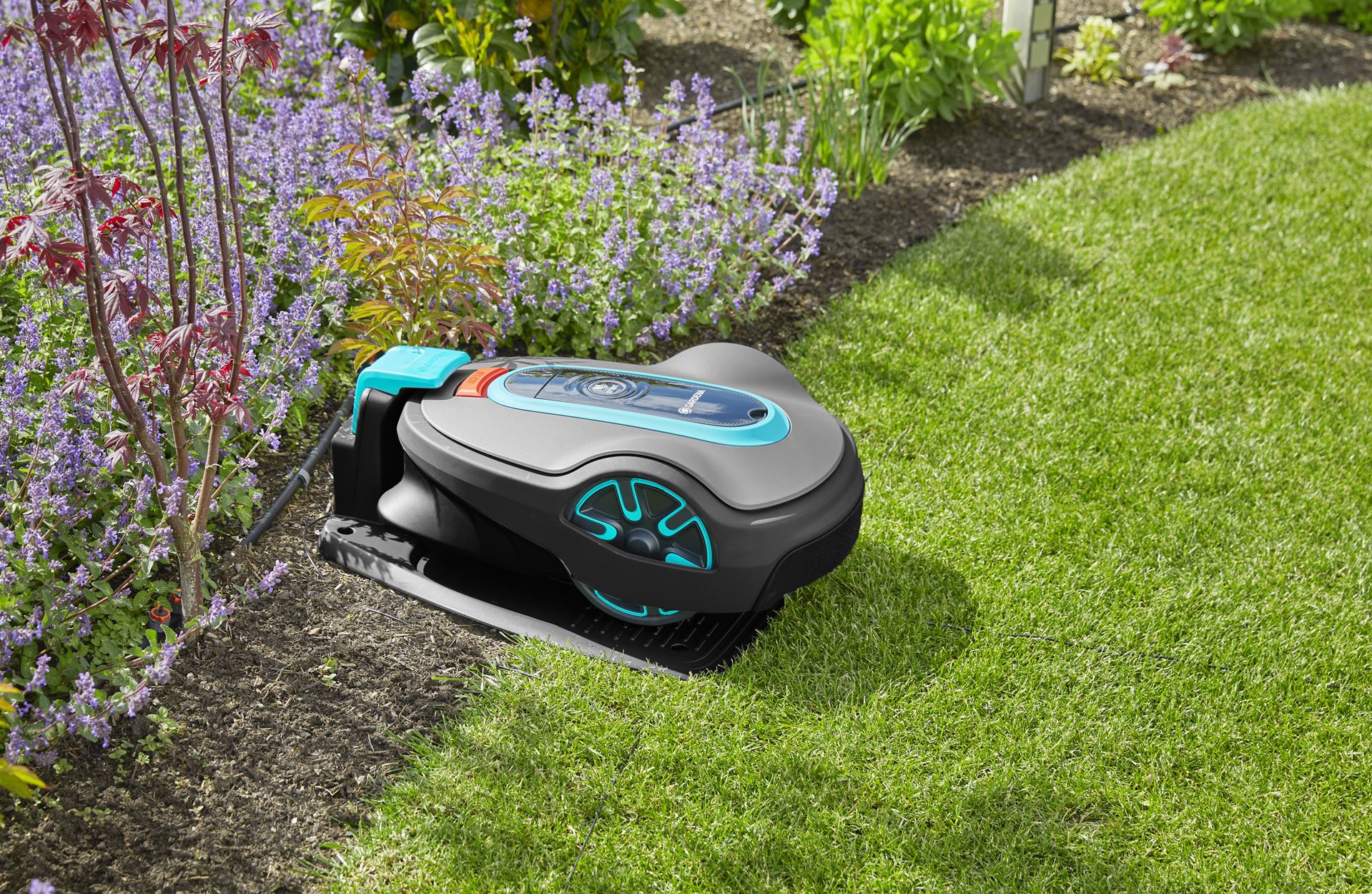
- Robust construction
- Reliable wet-weather performance
- Advanced sensor technology
Maintenance Tips
To ensure longevity:
- Perform regular inspections
- Clean components thoroughly
- Store in dry conditions
- Follow manufacturer guidelines (Maintenance Guide)
Addressing Wet Grass Cutting
Challenges
Cutting wet grass presents several issues:
- Uneven Cuts: Wet grass is more difficult to cut cleanly
- Disease Risk: Increased potential for fungal growth
- Reduced Mulching: Wet clippings don’t decompose as effectively
Best Practices
To optimize wet grass cutting:
- Adjust Cutting Height: Raise the cutting height slightly
- Increase Frequency: More frequent mowing reduces stress on the mower
- Use Appropriate Settings: Utilize wet-weather modes when available
Lawn Care Solutions
Improve wet-weather performance by:
- Enhancing drainage through aeration
- Selecting moisture-resistant grass varieties
- Maintaining proper lawn care schedules
Robot Mowers In The Rain
While robotic mowers offer outstanding convenience and efficiency, managing their operation in rainy conditions requires understanding and preparation. By choosing a model with robust rain sensors and weatherproof features, following proper maintenance procedures, and implementing appropriate lawn care strategies, you can ensure optimal performance regardless of weather conditions.
Consider your specific lawn care needs and local weather patterns when selecting a robotic mower. The right combination of features and maintenance practices will help you achieve a consistently well-maintained lawn, even during challenging weather conditions.
Frequently Asked Questions
Can robotic mowers operate in the rain?
While many robotic mowers are designed to be weather-resistant, it’s generally not recommended to operate them in heavy rain. Wet conditions can affect mowing performance and potentially damage your lawn. Models equipped with rain sensors will automatically pause operation during rain.
Do all robotic mowers have rain sensors?
Not all robotic mowers come with rain sensors. When selecting a model, look for features like rain detection and weatherproof design to ensure optimal performance in various conditions.
How do I maintain my robotic mower in wet conditions?
Regular maintenance is essential. Clean the mower after use, especially if it has operated in damp conditions. Ensure all electrical components remain dry and follow the manufacturer’s maintenance guidelines.


